
The technology
AeroGold. Gold, engineered.
Our proprietary 14K gold system. Nearly twice the hardness. 60% less gold. All of the light.
AeroGold
Softness is why gold jewelry is heavy. We fixed the softness instead.
Soft metal needs mass to survive daily wear — so tennis bracelets have always carried more gold than their design strictly needs. AeroGold takes the opposite path.
AeroGold is our proprietary 14K gold system: three decisions working together. Hard-grade 14K — in yellow, white, and rose — chosen because 14K is naturally harder than 18K; an engineering choice, not a compromise. A controlled thermal hardening cycle after casting, raising the metal to nearly twice the hardness of untreated cast gold. And thin-section engineering — structures designed so every gram carries load, and none of it is decoration.
The result: 60% less gold than a conventional tennis bracelet of equal length and stone count, with the savings passed straight into the price.
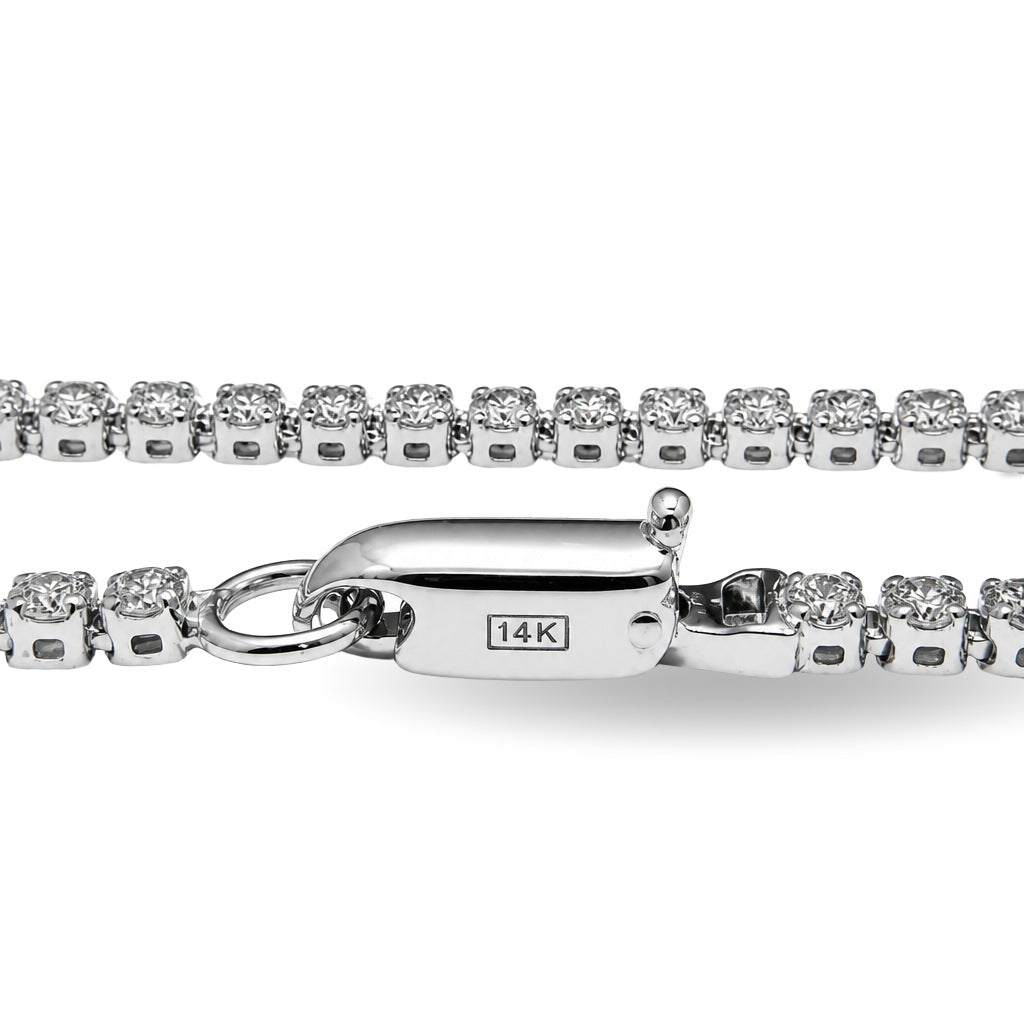
Hardened by heat.
A thermal cycle after casting — nearly twice the hardness of untreated cast gold.
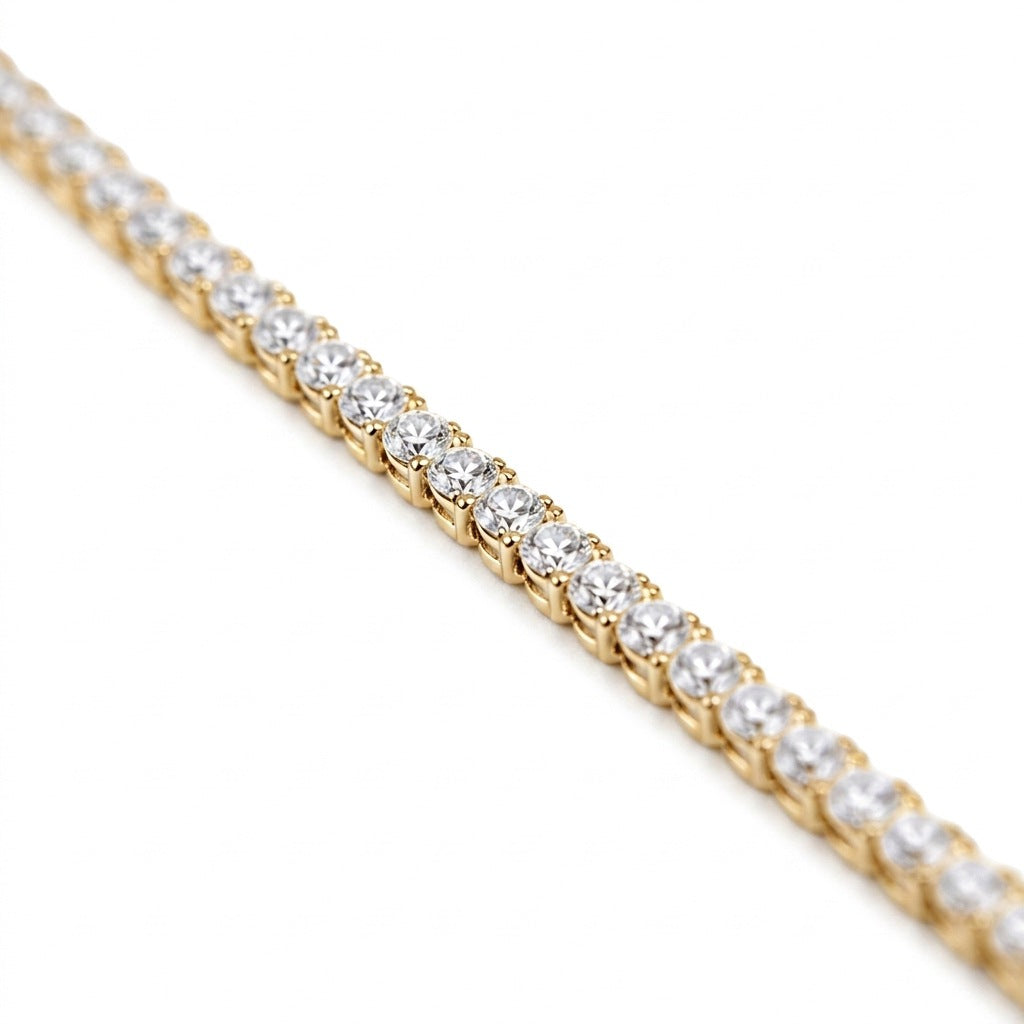
Grown, not mined.
Identical in composition and brilliance to mined diamonds.
Loose diamonds, certified.
Every loose stone we sell above 0.25 ct carries an IGI report — verify it at igi.org.
The numbers.
-
60%less gold, same presence
-
≈2×the hardness of untreated cast gold
-
$7991.3+ carats total weight, to start
-
14KAeroGold — yellow, white, rose
Side by side.
| Classic tennis bracelet | Lychora Aer | |
|---|---|---|
| Gold usage | Baseline | 60% less |
| Diamonds | Lab-grown | Lab-grown |
| Price, ~1.4 ctw · 7" | $1,895 | From $799 |
Gold savings measured against a conventional tennis bracelet of equal length and stone count. Hardness compared to as-cast, non-heat-treated 14K gold. Classic price: comparable 1–1.5 ctw, 7-inch lab-grown tennis bracelet from a leading online jeweler, as of July 2026.